
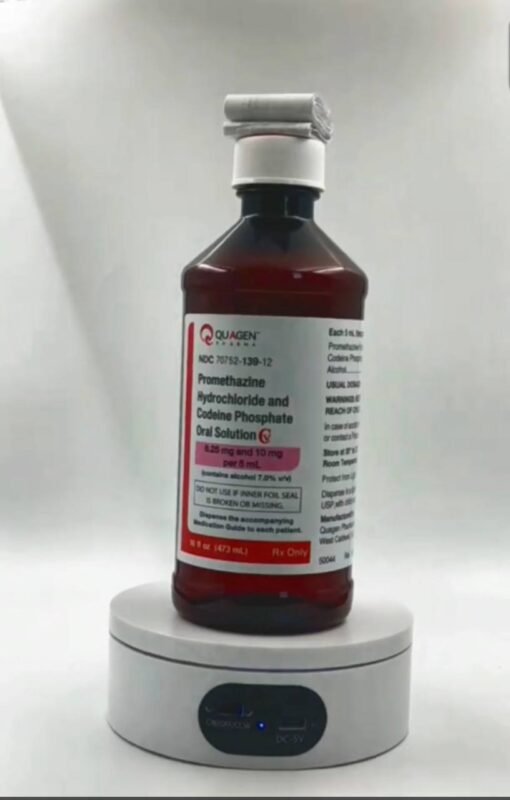
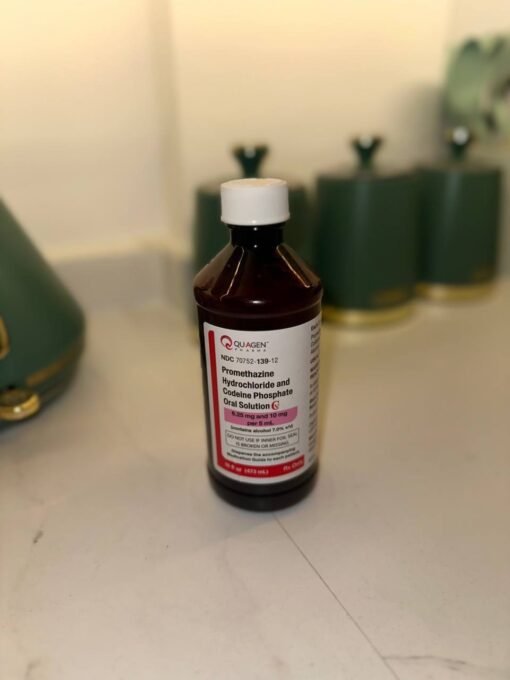

What is Quagen Cough Syrup Used For?
Quagen is a prescription-only antitussive medication primarily used to suppress severe, unproductive coughs that disrupt daily life or sleep. It contains hydrocodone, an opioid cough suppressant, and homatropine, which helps prevent misuse. Due to its potent nature, it’s reserved for short-term relief of intense coughs when other treatments have failed, such as those associated with conditions like bronchitis or the flu. Crucially, Quagen carries a high risk of dependence, abuse, and addiction, even at recommended doses, and is classified as a Schedule II controlled substance. It should only be used under strict medical supervision for the shortest duration necessary.
Quick Answer
Quagen cough syrup is a potent prescription medication used to suppress severe, debilitating coughs that don’t produce mucus, but it carries significant risks of addiction and side effects.
Key Takeaways
-
Potent Prescription-Only Relief: Quagen pharmaceuticals is reserved for severe, dry coughs unresponsive to over-the-counter options.
-
Serious Risk Profile: It contains hydrocodone, an opioid with a high potential for abuse, dependence, and addictionb
-
Strictly Regulated: As a Schedule II controlled substance, its distribution and use are tightly controlled by law.
-
Medical Supervision is Mandatory: Always use exactly as prescribed by your doctor and never share medication.
Understanding Quagen’s Purpose and Mechanism
Quagen combines two active ingredients: hydrocodone bitartrate and homatropine methylbromide. Hydrocodone is an opioid that works directly on the brain’s cough center to suppress the cough reflex. Homatropine is an anticholinergic agent added to discourage intentional misuse by injection, as it can cause unpleasant side effects if the syrup is abused. This combination makes it effective for short-term management of exhausting, non-productive coughs. It is not intended for mild coughs, “wet” coughs that clear mucus, or chronic conditions like asthma or emphysema without specific doctor direction.
Critical Comparison: Quagen vs. Common Cough Remedies
| Feature | Quagen (Prescription) | OTC Dextromethorphan (e.g., Robitussin DM) | OTC Expectorants (e.g., Mucinex) |
|---|---|---|---|
| Primary Use | Suppress severe, dry coughs | Suppress mild to moderate coughs | Loosen mucus for productive coughs |
| Key Ingredient | Hydrocodone (Opioid) | Dextromethorphan (Non-opioid) | Guaifenesin |
| Risk of Addiction | High (Schedule II) | Very Low | None |
| Availability | Strict prescription only | Over-the-counter | Over-the-counter |
| Use Duration | Short-term (a few days) | As needed per label | As needed per label |
Common Mistakes to Avoid
-
Self-Medicating or Sharing: Using leftover Quagen for a new cough or sharing it with someone else is illegal and dangerous.
-
Ignoring the “Dry Cough” Purpose: Using it for a productive chest cough can lead to harmful mucus buildup in the lungs.
-
Mixing with Depressants: Combining Quagen pharma with alcohol, sedatives, or other opioids drastically increases the risk of fatal respiratory depression.
-
Exceeding the Dose or Duration: Taking more or using it longer than prescribed accelerates the risk of addiction and overdose.
-
Stopping Abruptly: Suddenly discontinuing use after prolonged periods can cause withdrawal symptoms; always follow a doctor’s taper plan.
Advanced Tips for Safe and Effective Use
If prescribed Quagen promethazine, maintain an open dialogue with your doctor. Report any side effects like extreme drowsiness, confusion, or slowed breathing immediately. Ask about having naloxone (Narcan®) on hand—a life-saving opioid overdose reversal agent. Keep a medication log to track doses and ensure strict adherence. Understand that effectiveness is judged by improved rest and function, not the complete elimination of all coughs, which is a protective reflex.
Frequently Asked Questions
Q: Is Quagen the same as Promethazine with Codeine?
A: No, they are different prescription cough syrups. Quagen tris contains hydrocodone and homatropine, while “promethazine with codeine” contains codeine (a different opioid) and promethazine (an antihistamine). Both are Schedule II controlled substances with high abuse potential, but they use different active ingredients to suppress coughs.
Q: What are the most common side effects of Quagen?
A: Common side effects include drowsiness, dizziness, nausea, constipation, and dry mouth. More serious side effects requiring immediate medical attention are slowed or difficult breathing, severe confusion, pinpoint pupils, and allergic reactions. The homatropine in Quagen pharmaceuticals llc can also cause blurred vision or urinary retention.
Conclusion: Key Action Items
-
Respect its Potency: Only use Quagen green if prescribed by a doctor for a specific, severe cough.
-
Prioritize Safety: Never share it, mix it with other substances, or deviate from the prescription.
-
Explore Safer Options First: For most common coughs, effective and non-addictive OTC remedies are available.
-
Dispose Properly: Follow FDA guidelines to safely dispose of any unused medication to prevent misuse.
Disclaimer: This content is for informational purposes only and is not medical advice. Always consult a qualified healthcare professional for diagnosis and treatment.